
Gather project and technical requirements. Collaborate and brainstorm with stakeholders to identify key use cases. Create low-fidelity wireframes for clear information architecture.
Conduct UI research to explore design patterns for data-heavy enterprise tools. Create a comprehensive design system to ensure consistency, scalability, and alignment with user needs.
Review and audit wireframes against evolving requirements. Use an agile, feedback-driven process to incorporate inputs from stakeholders and cross- functional teams.
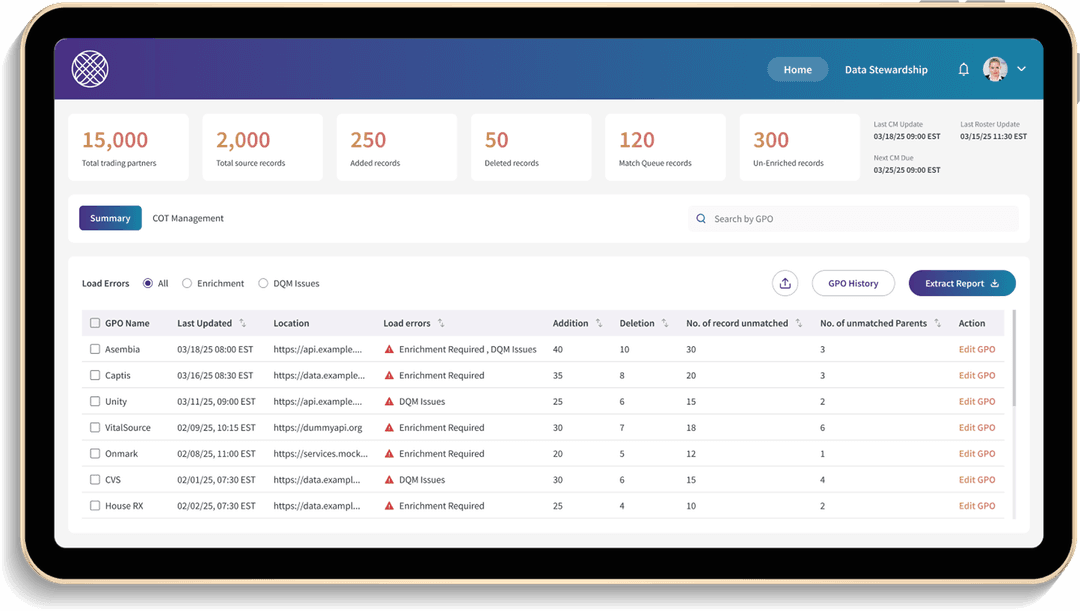
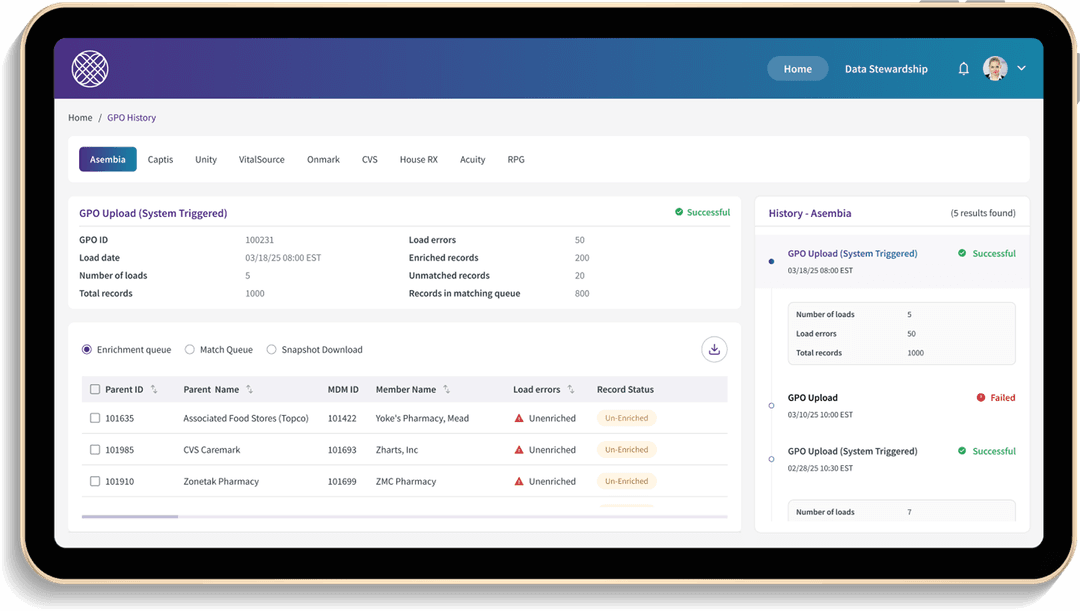
Produce high-fidelity, rapid prototype designs in Figma. Highlight key interactions, data visualization, and automated flows to address operational needs.
Conduct sessions with stakeholders and subject matter experts to uncover needs, workflow challenges, and integration constraints.
Simplified complex data tasks with a user- friendly, easy-to-navigate interface.
Reduced manual reconciliation, saving time and reducing errors.
Clear hierarchy enabled faster, more informed decision-making.
The implementation of a modular design system ensured that the solution would remain scalable and maintain consistency as data volume increase in future.